
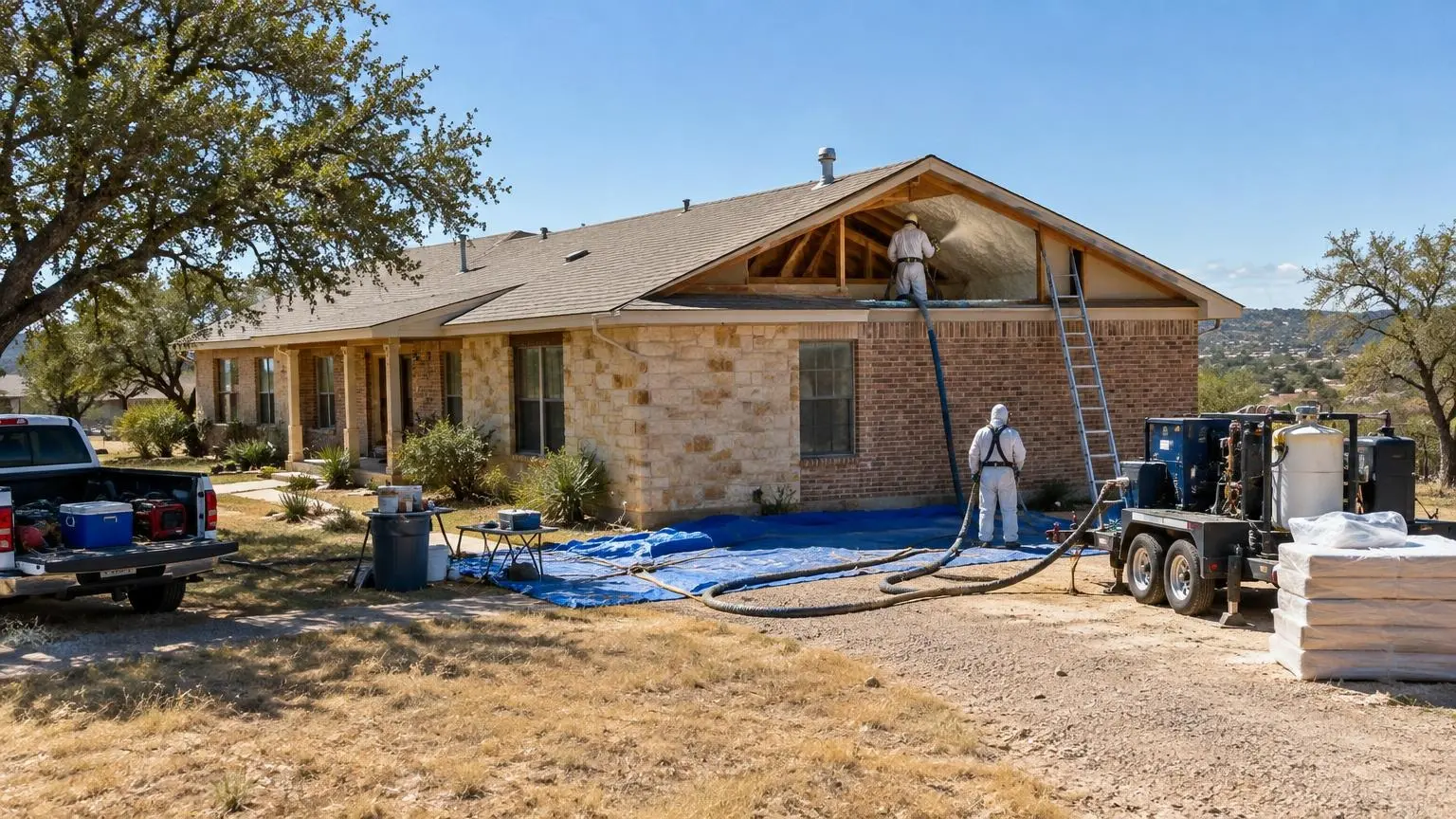
Open walls and closed walls
Wall Insulation in San Angelo, TX
The right method depends on whether the drywall is on or off.
- Free estimates after an on-site look
- Written quotes that name foam type, thickness and R-value
- Attic leaks, ducts and old insulation checked before we cover anything
Walls Take the Afternoon Sun
Wall insulation in San Angelo matters most on the west and south sides of a house, where afternoon sun beats on the siding or brick for hours. Older homes often have little or nothing in the wall cavities, and even newer walls can have gaps where batts were cut short around outlets, plumbing and framing. How we fix it depends on one thing: whether the wall is open.
Open walls: remodels, additions and new builds
When drywall is off for a remodel or an addition is being framed, spray foam is the most thorough option. It fills around wiring, boxes and pipes and seals the gaps at the top and bottom plates. The 2015 code table Texas uses lists R-20, or R-13 plus R-5 continuous, for wood-frame walls in Zone 3. Open-cell in a 2x4 wall gets about R-13; reaching higher numbers can take closed-cell or a combination. We size the plan to your wall depth and your goals, and write the expected R-value on the quote.
Closed walls: older homes
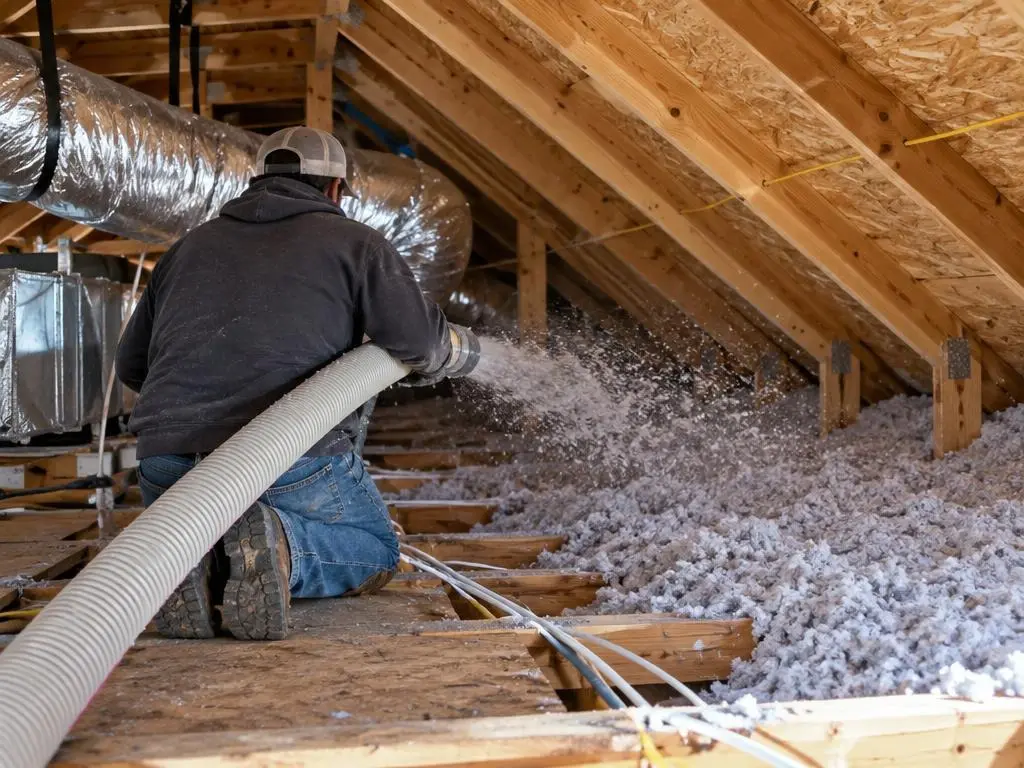
If the walls are finished, tearing out drywall to spray foam rarely makes sense. Instead, insulation can be blown into the cavities through small holes, usually dense-packed cellulose or fiberglass, then the holes are patched. It is less complete than foam in an open wall, but it fills empty cavities that otherwise hold nothing at all. Before blowing walls, we check for knob-and-tube wiring and fire blocking, and we test a few cavities to see what is already there.
Brick, stone and siding
Many San Angelo homes have brick or local stone veneer on the outside. The insulation still goes in the wood stud cavity behind the veneer. The air gap between brick and sheathing stays open so the wall can drain and dry. We do not fill that gap.
Garage and attic kneewalls
Walls between the house and the garage, and short walls that separate finished rooms from attic space, are often the weakest walls in a house. Kneewalls in bonus rooms and second floors are a common source of hot rooms in summer. These are usually reachable from the attic or garage side, so foam or batts with a proper air barrier can be added without removing interior finishes.
Getting the paperwork right
Wall work in a remodel or addition usually falls under the remodel's building permit, and the inspector will want to see the insulation before drywall. We work with your general contractor's schedule so the insulation inspection happens on time.
If you are opening walls, or you live in an older home with walls that feel warm in summer, we can look and price the options. Get a free estimate
Wall Work We Do
Methods we use depending on the wall.
Open-cell foam in stud bays
For remodels and additions where the walls are open.
Closed-cell foam
Higher R-value per inch where wall depth is limited.
Dense-pack blown walls
Cellulose or fiberglass blown into closed cavities in older homes.
Kneewalls and bonus rooms
Insulating and air sealing walls next to attic spaces.
Garage-to-house walls
Insulating and sealing the shared wall with the garage.
Rim and band areas
Sealing the band at floor lines in two-story and pier-and-beam homes.
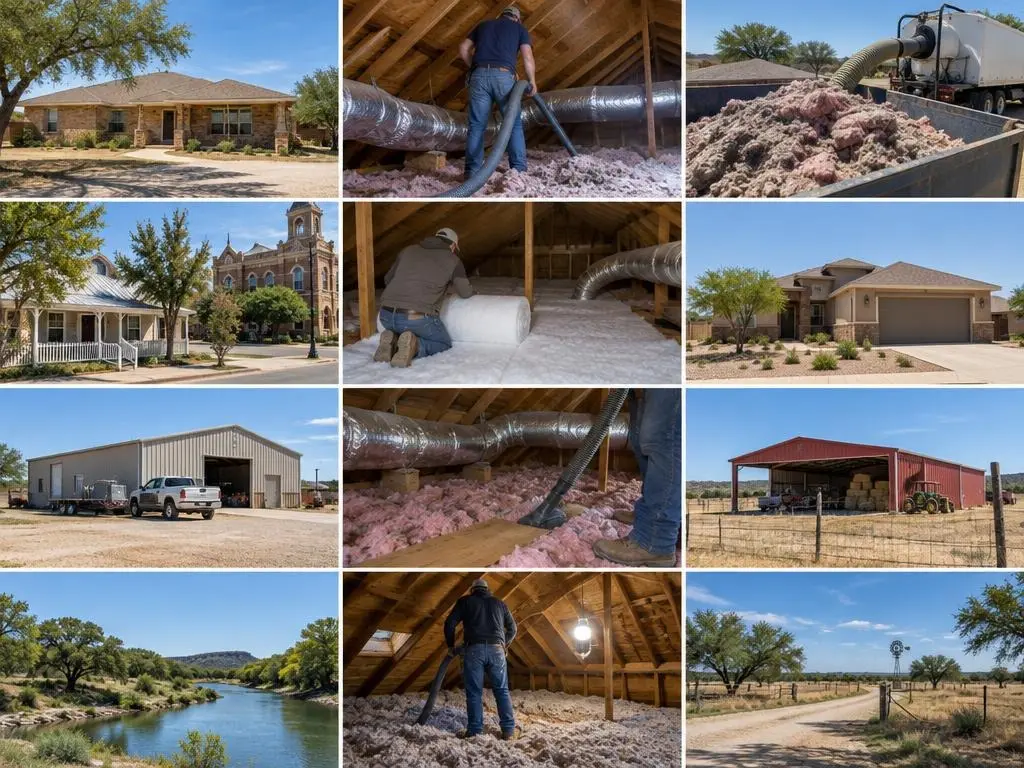
Published Wall Insulation Costs
| Job | Range and source |
|---|---|
| Existing walls / new construction | $3.15 to $7.50 / $2.75 to $6.50 per sq ft (Fixr) |
| All exterior walls, spray foam | $4,000 to $10,000 (HomeGuide) |
| Blown-in, exterior walls | $1,900 to $7,800, $1.10 to $3.70 per sq ft (HomeGuide); $2,000 to $4,000 (Fixr) |
| Dense-pack cellulose | $1.60 to $4.20 per sq ft (HomeGuide) |
| Fiberglass / cellulose | $1.65 to $2.60 / $1.75 to $3.80 per sq ft (Fixr) |
National ranges from Fixr (2025) and HomeGuide (2025 and 2026). Wall height, access, the number of holes and patching, and the foam or fill chosen change the number. Your written estimate after the visit is the price.
How Wall Insulation Goes
1. Check the walls
We see whether walls are open, test closed cavities and check wiring.
2. Choose a method
Foam for open walls, blown fill for closed ones, priced in writing.
3. Protect and prep
Floors and furniture covered, outlets masked.
4. Install
Foam sprayed and trimmed, or cavities filled and holes patched.
5. Ready for drywall
Open walls are left ready for inspection and drywall.
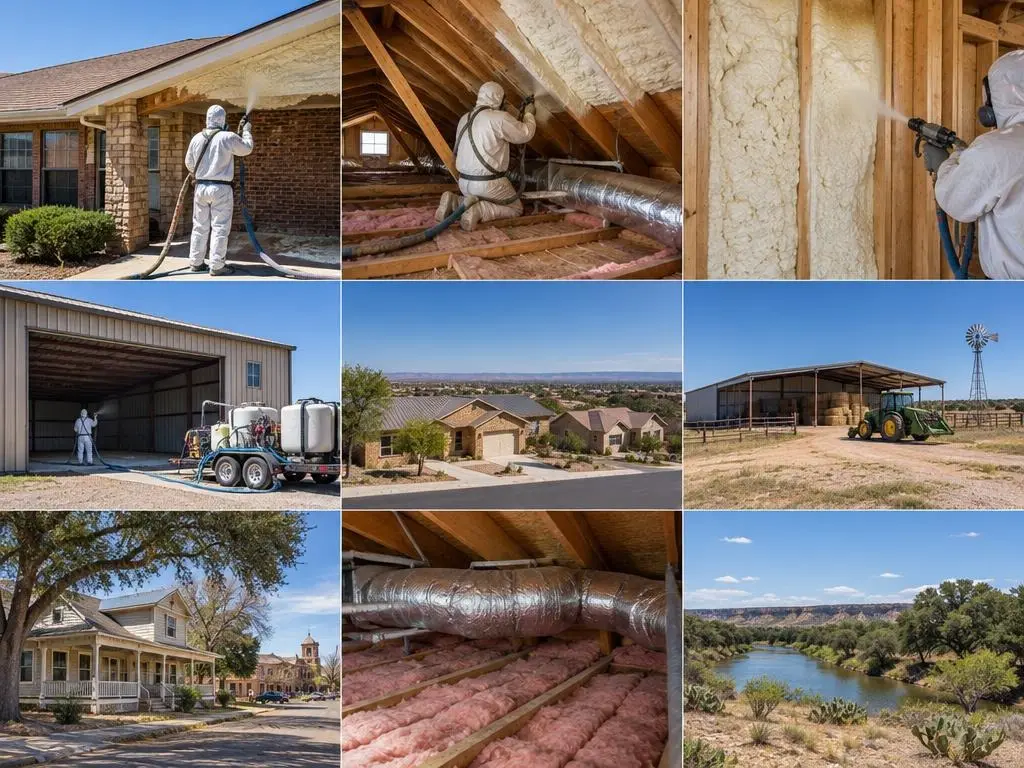
Why Choose Us for Wall Insulation
Method fits the wall
Open walls get foam; finished walls usually get blown fill.
Wiring checked first
Old wiring is identified before we fill cavities.
Schedules respected
We work around your remodel's inspection timeline.
Wall Insulation Questions
Can you add insulation to existing walls without removing drywall?
Yes. Dense-pack cellulose or fiberglass can be blown in through small holes that are patched afterward.
Is spray foam better than batts in a new wall?
Foam seals air as well as insulating, so it performs better in practice, but it costs more. Batts can work if they are installed carefully with a good air barrier.
What R-value does a Zone 3 wall need?
The 2015 code table Texas uses lists R-20 or R-13 plus R-5 continuous insulation for wood-frame walls in Zone 3.
Do you insulate behind brick veneer?
We insulate the stud cavity behind it and leave the drainage gap between the brick and the sheathing open.
Wall Insulation Service Areas
- Spray Foam Insulation in San Angelo, TX
- Spray Foam Insulation in Grape Creek, TX
- Spray Foam Insulation in Wall, TX
- Spray Foam Insulation in Christoval, TX
- Spray Foam Insulation in Water Valley, TX
- Spray Foam Insulation in Miles, TX
- Spray Foam Insulation in Ballinger, TX
- Spray Foam Insulation in Robert Lee, TX
- Spray Foam Insulation in Bronte, TX
- Spray Foam Insulation in Mertzon, TX
- Spray Foam Insulation in Paint Rock, TX
- Spray Foam Insulation in Sterling City, TX
Get a Wall Insulation Estimate
Opening walls or living with hot ones? We will come look and price it.