
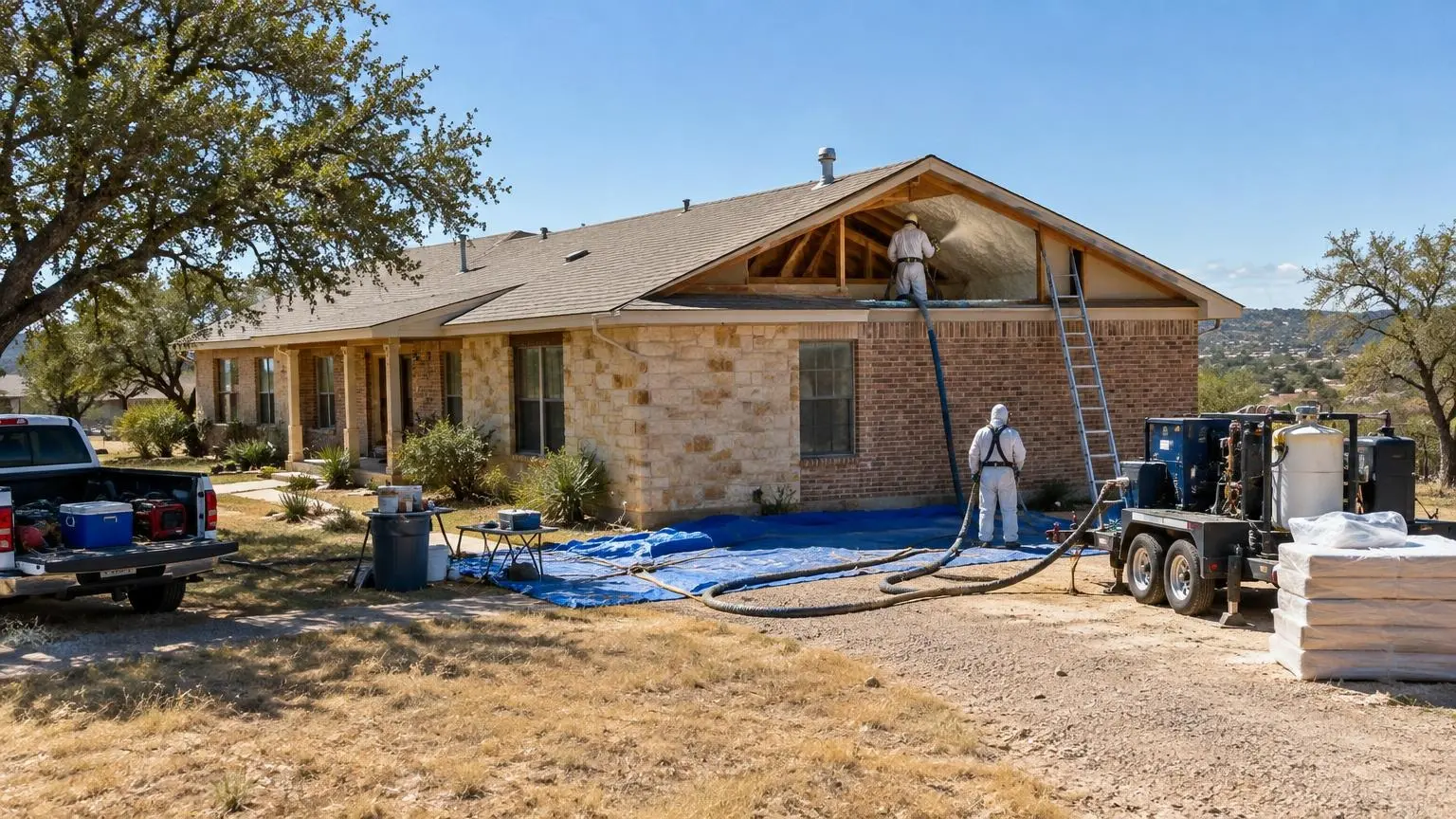
Open-cell and closed-cell foam
Spray Foam Insulation in San Angelo, TX
Picked surface by surface, so each part of the house gets the foam that suits it.
- Free estimates after an on-site look
- Written quotes that name foam type, thickness and R-value
- Attic leaks, ducts and old insulation checked before we cover anything
Two Foams for a Hot, Dry Climate
Spray foam insulation works best in San Angelo where heat and air leaks meet: under the roof deck above attic ductwork, inside steel buildings, in walls opened during a remodel, and in cramped spots where loose fill will not stay put. Foam goes on as a liquid, expands into gaps and cures in place, so one layer handles both insulation and air sealing. We spray two kinds, and choosing between them is the first decision on any job.
Closed cell vs open cell
Open-cell foam cures soft and spongy. It expands roughly to fill a rafter bay, seals air very well and dampens sound. HomeGuide rates it at R-3.5 to R-3.7 per inch, and it costs less per inch of thickness. Water vapor can pass through it, which in a dry climate is often a feature: it lets a roof deck dry if a small leak ever happens, so the leak shows up instead of hiding.
Closed-cell foam cures hard and dense, at R-5 to R-7 per inch according to HomeGuide. At normal thickness it slows vapor, sheds water and adds stiffness to what it is sprayed on. It costs more per square foot but packs more R-value into less space. That makes it the pick for metal buildings, garage ceilings under bedrooms, cantilevered floors and anywhere a cold or damp surface meets warm air.
Moving the attic inside
Most San Angelo houses have ducts and often the air handler in the attic. On a 100-degree afternoon that attic gets far hotter than the air outside, and every leaky joint in the duct system pushes cooled air into it. One fix is to bring the insulation line up to the roof: spray open-cell foam on the underside of the roof deck and gable walls, close the attic vents, and the ductwork ends up in a space that stays near house temperature. It costs more than blowing in loose fill, but on houses with a lot of duct in the attic it can be the better long-term plan. We explain what that involves before quoting it, including the code's thermal or ignition barrier rules for the space.
R-value targets in Zone 3
Tom Green County is classified as Climate Zone 3B. Texas still uses the energy chapter of the 2015 International Residential Code statewide, and in Zone 3 its prescriptive table lists R-38 for ceilings, R-20 or R-13 plus R-5 continuous for wood-frame walls, and R-19 for floors. On a roof deck, those numbers set how thick the foam needs to be, and that thickness drives the price. We write the planned thickness and the R-value it reaches on every quote, so you can compare bids on the same terms.
Where foam is the wrong choice
Foam will not fix a leak. If water is getting into the attic or a wall, the source has to be repaired first, or foam will hide the damage until it is expensive. On a wide-open attic floor, sealing the gaps and blowing in fiberglass or cellulose usually reaches the same R-value for much less. Old wiring, vermiculite that may contain asbestos and active pest problems get checked before anything is covered. If we find any of those, you hear about it before you get a price.
Preparing for spray day
We cover floors, mask windows and fixtures, and set up ventilation before spraying. HomeGuide recommends leaving the house for at least 24 hours while foam cures; for a detached shop it may not affect the house at all. In summer we start attic work early, because a San Angelo attic by mid-afternoon is too hot for safe work and for some foam products. Once cured, foam does not settle, so the thickness we leave stays put.
Tell us which spaces you are thinking about and what bothers you, whether that is a hot upstairs room, high summer bills or a shop that sweats. We will look, explain where foam pays off, and send a written price. Get a free estimate
Where We Spray
The places foam does the most good in San Angelo houses and buildings.
Unvented attic roof decks
Open-cell foam under the roof deck so attic ducts sit inside the conditioned space.
Closed-cell foam
Dense foam at R-5 to R-7 per inch (HomeGuide) for steel, tight cavities and damp-prone surfaces.
Open-cell foam
Soft foam at R-3.5 to R-3.7 per inch that seals air and quiets sound, mostly for roof decks and interior walls.
Garage ceilings under bedrooms
Sealing and insulating the floor of rooms built over a hot garage.
Walls in remodels and additions
Open stud bays sprayed to the Zone 3 wall target while the drywall is off.
Shops and metal buildings
Foam on steel panels and purlins to block heat and stop condensation drip.

Published Spray Foam Insulation Costs
| Job | Range and source |
|---|---|
| Spray foam, installed | $1.50 to $5.00 per sq ft (HomeGuide) |
| Open-cell / closed-cell | $1.50 to $3.50 / $3.00 to $5.00 per sq ft (HomeGuide) |
| About 1,000 sq ft | $1,500 to $5,000 (HomeGuide); $3,150 to $7,500 existing home (Fixr) |
| Existing walls / new construction | $3.15 to $7.50 / $2.75 to $6.50 per sq ft (Fixr) |
| Spray foam attic | $3,000 to $8,000 (HomeGuide); $2,500 to $12,000 existing home (Fixr) |
| Whole house | $8,000 to $20,000 (HomeGuide); $10,000 to $30,000 (Fixr) |
| Typical job minimum | $1,000 to $2,000+ (HomeGuide) |
National figures from HomeGuide's 2026 spray foam guide and Fixr's 2025 guide. Thickness, foam type, roof pitch, access and prep all move the number, and small jobs often hit a minimum. The figure on your written estimate is the one you pay.
How a Spray Foam Job Goes
1. Look and measure
We inspect the attic and other spaces, check ducts, wiring and any leaks, and measure.
2. Written plan
Each area gets a foam type, thickness, R-value and price.
3. Prep
Floors and belongings covered, openings masked, ventilation set up.
4. Spray
Foam goes on in passes to the planned thickness, then gets trimmed where needed.
5. Walk-through
We clean up, show you the work, and tell you when the space is ready.
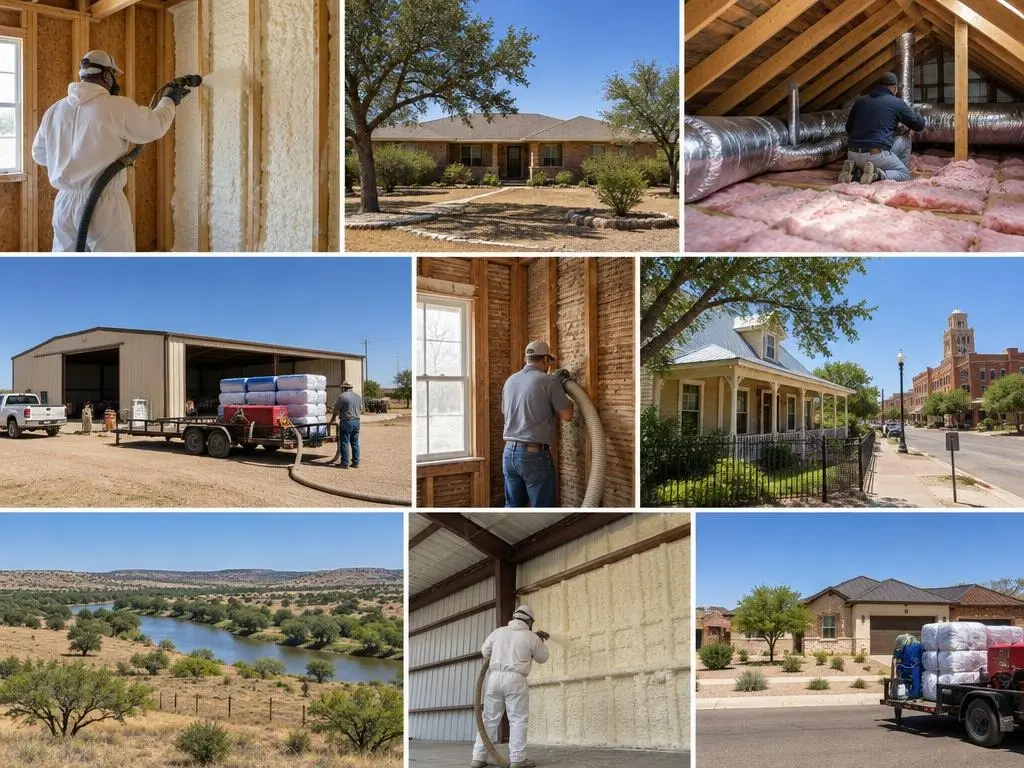
Why Choose Us for Spray Foam Insulation
Foam where it fits
If blown-in or air sealing does the job for less, we say so.
Thickness on paper
The quote names thickness and R-value so bids line up.
Problems first
Leaks, old wiring and suspect materials get flagged before we cover them.
Spray Foam Insulation Questions
Should I foam my attic roof deck or the attic floor?
If the ducts and air handler are in the attic, foaming the roof deck brings them inside the conditioned space. If the attic is open, easy to reach and the ducts are in good shape, sealing the ceiling and blowing in loose fill usually costs less. We price both when both make sense.
What spray foam has the highest R-value?
Closed-cell foam, at R-5 to R-7 per inch in HomeGuide's figures, compared with R-3.5 to R-3.7 for open-cell. Total R-value depends on thickness, so the quote lists both.
Can mold grow behind spray foam?
Foam itself is not food for mold, but trapped moisture behind any insulation can cause problems. That is why we fix leaks first and choose the foam type with moisture in mind.
How long do I need to stay out after spraying?
HomeGuide recommends 24 hours or more. We confirm the timing for your product and space before the job.
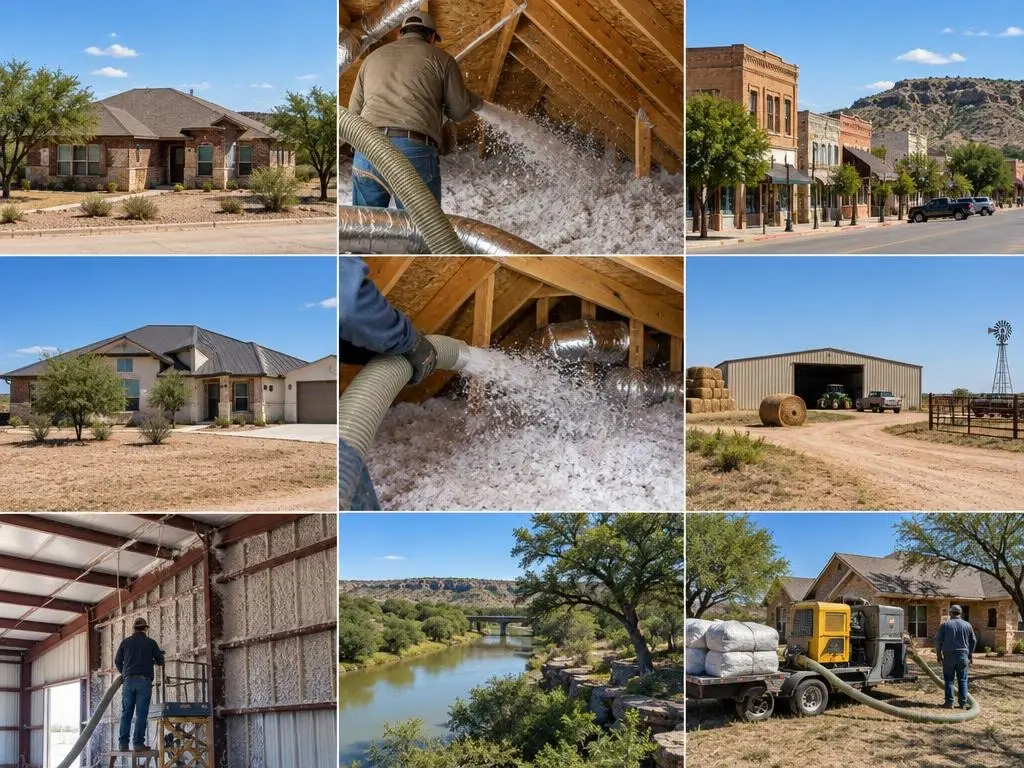
Spray Foam Insulation Service Areas
- Spray Foam Insulation in San Angelo, TX
- Spray Foam Insulation in Grape Creek, TX
- Spray Foam Insulation in Wall, TX
- Spray Foam Insulation in Christoval, TX
- Spray Foam Insulation in Water Valley, TX
- Spray Foam Insulation in Miles, TX
- Spray Foam Insulation in Ballinger, TX
- Spray Foam Insulation in Robert Lee, TX
- Spray Foam Insulation in Bronte, TX
- Spray Foam Insulation in Mertzon, TX
- Spray Foam Insulation in Paint Rock, TX
- Spray Foam Insulation in Sterling City, TX
Get a Spray Foam Insulation Estimate
Tell us which spaces you have in mind. We will look and send a written foam plan and price.